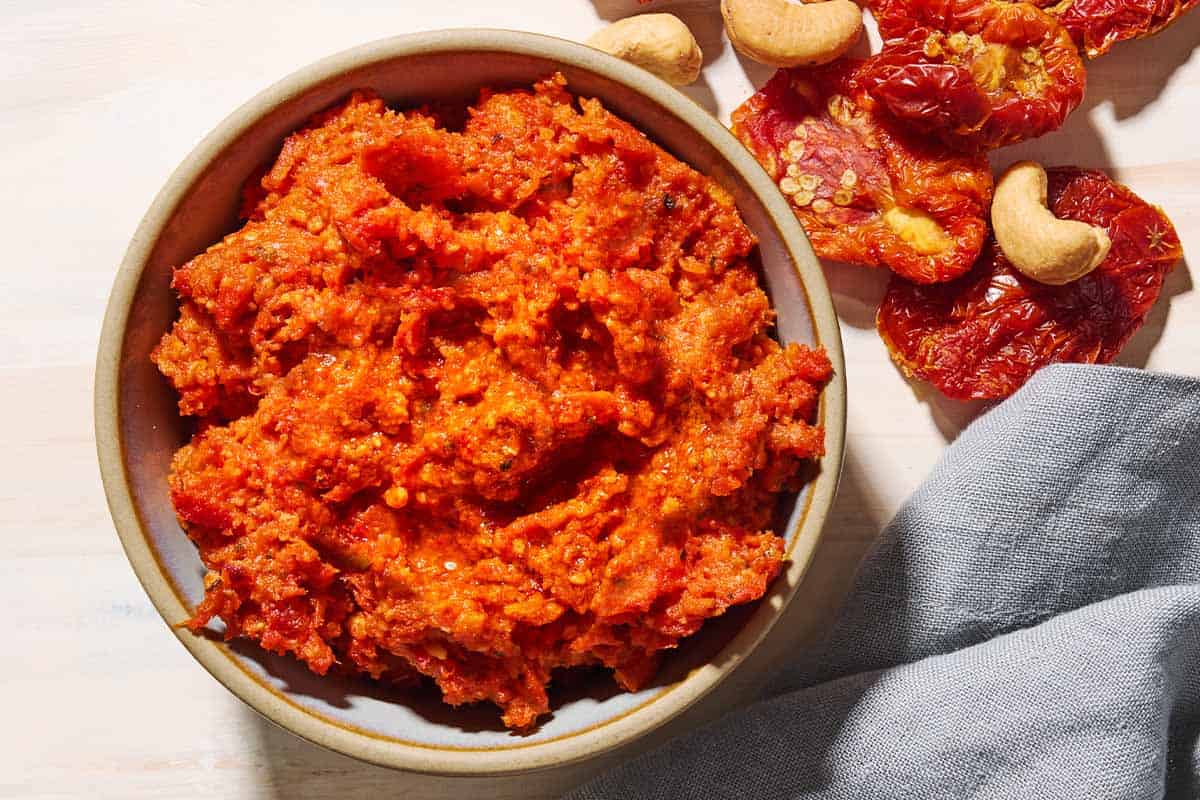
While green basil pesto reigns supreme in many kitchens, there's a vibrant, equally delicious contender that deserves a permanent spot in your culinary repertoire: Red Tomato Pesto. Also known as Pesto Rosso, this Italian gem offers a richer, sweeter, and tangier flavor profile, making it an incredibly versatile ingredient. Forget store-bought jars for a moment; crafting your own red tomato pesto at home is surprisingly simple, allowing for endless customization to suit any taste or dietary need. From classic renditions featuring toasted nuts to ingenious nut-free alternatives and even fiery spicy variations, exploring red pesto is an exciting journey for any food lover.
What is Red Tomato Pesto (Pesto Rosso)?
Hailing from the sun-drenched island of Sicily, specifically known as pesto alla Trapanese, red tomato pesto is a delectable twist on its more famous green cousin. Its signature deep red hue and intense flavor primarily come from sun-dried tomatoes, which form the heart of this rich sauce. Unlike traditional Ligurian pesto, which relies heavily on fresh basil and pine nuts, Pesto Rosso embraces the robust character of sun-dried tomatoes, often complemented by roasted red peppers. This combination yields a sauce that is both savory and subtly sweet, with a delightful umami depth.
The core ingredients typically include sun-dried tomatoes, fresh basil, garlic, a hard Italian cheese like Parmesan or Pecorino Romano, and olive oil. However, the beauty of red tomato pesto lies in its adaptability. Variations often incorporate additional herbs like parsley or oregano, and while nuts are common, they are far from mandatory. This versatility makes red tomato pesto a dynamic staple, ready to transform everything from a simple pasta dish to an elaborate appetizer.
Crafting Your Classic Red Tomato Pesto
To truly appreciate the foundation of red tomato pesto, let's start with a classic approach. This version typically leans into the traditional elements that make Pesto Rosso so beloved. The key to a fantastic red tomato pesto begins with selecting high-quality ingredients:
- Sun-Dried Tomatoes: Opt for jarred sun-dried tomatoes packed in oil, preferably without added herbs or spices, to ensure a pure flavor base. If only dry-packed are available, rehydrate them in hot water for about 20 minutes, then drain well. You'll need to compensate by adding extra olive oil to your pesto later.
- Hard Italian Cheese: A flavorful, hard cheese is crucial. Parmesan, Pecorino Romano, or Grana Padano are excellent choices, each lending its unique salty and sharp notes. Remember to taste your cheese before seasoning, as some varieties can be quite salty.
- Fresh Herbs: Basil is a staple, providing a fragrant, peppery balance to the tomatoes. For a slightly lighter or more complex profile, a combination of basil and fresh parsley works wonderfully. Always wash and thoroughly dry your herbs to prevent any grit or dilution of flavor.
- Garlic: Fresh garlic cloves are essential for that characteristic pungent kick. Adjust the amount to your preference.
- Nuts (Optional but Classic): For a more traditional texture and richness, pine nuts or walnuts are often included. Toasting these nuts lightly in a dry pan before adding them to the pesto enhances their flavor significantly, bringing out a deeper, nuttier aroma. Approximately ½ cup is a good starting point.
- Olive Oil: A good quality extra virgin olive oil not only binds the ingredients but also contributes to the overall flavor and luscious consistency.
The process is straightforward: simply combine your chosen ingredients in a food processor and blend until smooth or to your desired consistency. For an authentic touch, you might even consider starting with a mortar and pestle, especially for the nuts and garlic, before introducing the softer ingredients. However, a food processor makes quick work of the tomatoes and creates a fantastic sauce with minimal effort.
Exploring Flavorful Red Pesto Variations: Nut-Free, Spicy & Beyond
The beauty of red tomato pesto lies in its incredible adaptability. Once you've mastered the classic, a world of variations opens up, allowing you to tailor the sauce to specific tastes, dietary needs, or simply to experiment with exciting new flavors.
The Nut-Free Alternative
For those with nut allergies or simply preferring a different texture, a nut-free red tomato pesto is a fantastic option that doesn't compromise on flavor. The secret lies in compensating for the richness and body that nuts typically provide. The reference context suggests an excellent foundation for this: adding roasted red peppers and extra parsley. Roasted red peppers offer a natural sweetness and smokiness, while also contributing to the vibrant color and bulk of the pesto. Parsley, with its fresh, slightly peppery notes, brightens the sauce and helps to maintain a vibrant herby dimension without relying on basil alone.
To make it: blend your sun-dried tomatoes, roasted red peppers (ensure they are also free from added herbs/spices), garlic, basil, parsley, and Parmesan cheese with their oil. The roasted peppers will add a beautiful creamy texture and depth that makes nuts completely unnecessary. This variation is incredibly versatile and allows everyone to enjoy the rich taste of red pesto.
Igniting Your Pesto with a Spicy Kick
If you love a bit of heat, infusing your red tomato pesto with a spicy kick is incredibly easy and rewarding. The robust flavors of sun-dried tomatoes stand up beautifully to chili. You have a few options to introduce that fiery element:
- Crushed Red Pepper Flakes: This is perhaps the simplest way to add heat. Start with a pinch or two and add more to taste. The flakes will distribute evenly, giving a consistent warmth throughout the pesto.
- Fresh Jalapeños or Serranos: For a fresher, more immediate heat and a hint of green vibrancy, add a deseeded (or seeded, if you dare!) jalapeño or serrano pepper to the food processor. Roasting the peppers slightly before blending can also add a smoky dimension.
- Chili Oil: A dash of chili oil blended in or drizzled over the finished pesto can provide an extra layer of flavor and heat.
Always taste as you go when adding spice. A truly spicy red tomato pesto can elevate dishes, providing a thrilling counterpoint to creamy sauces or grilled meats.
Beyond the Basics: Other Creative Twists
Don't stop at nut-free or spicy! The world of red tomato pesto invites further exploration:
- Herbal Adventures: Experiment with different fresh herbs. While basil and parsley are common, a touch of fresh oregano can lean into its Sicilian roots even more. Consider a hint of marjoram or even a few sprigs of mint for an unexpected freshness.
- Smoky Depths: Beyond roasted red peppers, a tiny pinch of smoked paprika can amplify the smoky notes, particularly if you're using dry-packed tomatoes.
- Umami Boost: A secret ingredient for some chefs is a tiny anchovy fillet (don't worry, it melts away!) or a splash of Worcestershire sauce for an extra layer of savory depth.
- Vegan Friendly: For a plant-based version, simply omit the Parmesan cheese and replace it with nutritional yeast for a cheesy flavor, or a high-quality plant-based Parmesan alternative.
Mastering the Method: Food Processor vs. Mortar & Pestle
While the modern food processor has become the go-to tool for home cooks, understanding the traditional method for making pesto offers insights into achieving the perfect texture and flavor. The word "pesto" itself comes from the Italian word "pestare," meaning "to pound."
The Food Processor: For red tomato pesto, a food processor is undeniably convenient and highly effective. Sun-dried tomatoes can be tough to break down by hand, so the blades of a processor make quick work of them, creating a smooth or coarsely textured paste in minutes. This is especially true if you're using jarred tomatoes packed in oil. For best results, pulse the ingredients rather than continuously blending. This prevents over-processing, which can heat the ingredients and dull their fresh flavors, and also allows you to control the texture. You want a consistency that's rich and spreadable, not a completely liquid sauce. A too-smooth pesto can lose some of its rustic charm and distinct ingredient notes.
The Mortar & Pestle: For purists, the mortar and pestle offer a different experience. Pounding and grinding the ingredients slowly releases their essential oils and aromas more gently than a food processor's blades. This method is often preferred for green pesto, where the delicate basil leaves benefit from this treatment. For red pesto, it's particularly effective for grinding nuts and garlic into a fine paste. While it's challenging to pound sun-dried tomatoes from scratch, you can certainly process them coarsely in a food processor first, then transfer them to a mortar and pestle to finish with the other ingredients. This hybrid approach combines efficiency with traditional technique, resulting in a pesto with unparalleled aroma and depth. For an in-depth look at this comparison, explore our article: Red Pesto Secrets: Food Processor vs. Mortar & Pestle Explained.
One crucial tip, regardless of your chosen method: avoid using a high-speed blender. Blenders tend to over-aerate and over-process, creating a watery, overly smooth sauce that resembles a purée more than a vibrant pesto.
Unleashing the Versatility of Red Pesto in Your Kitchen
Once you have a batch of homemade red tomato pesto, its culinary potential is virtually limitless. Beyond the obvious pasta dishes, this flavorful sauce can elevate a wide array of meals:
- Pasta Perfection: The most classic use! Toss generously with your favorite pasta, a splash of pasta water, and maybe some fresh cherry tomatoes or grilled chicken for a quick, satisfying meal.
- Sandwich and Wrap Enhancer: Spread a thin layer on bread, focaccia, or wraps for an instant flavor boost. It pairs beautifully with mozzarella, provolone, grilled vegetables, or deli meats.
- Pizza Base: Use it instead of traditional tomato sauce for a unique, gourmet pizza experience. Top with fresh mozzarella, basil, and a drizzle of olive oil.
- Dip or Spread: Serve it as a vibrant dip with crusty bread, pita chips, or vegetable sticks. Mix it with cream cheese or ricotta for a richer spread.
- Marinade: A fantastic marinade for chicken, fish, or pork. The acidity from the tomatoes and richness of the oil tenderize and flavor the meat beautifully.
- Soup & Stew Swirl: Stir a spoonful into tomato soup, minestrone, or even a hearty vegetable stew just before serving to add depth and brightness.
- Roasted Vegetables: Toss with potatoes, zucchini, bell peppers, or asparagus before roasting for an explosion of flavor.
- Bruschetta Topping: Spread on toasted baguette slices, often topped with fresh mozzarella, basil, or a sprinkle of toasted pine nuts.
Red tomato pesto is more than just a sauce; it's a celebration of bold flavors and culinary creativity. Whether you stick to the classic formula or venture into nut-free, spicy, or other innovative variations, the result is always a delightful addition to your table. Its ease of preparation and incredible versatility make it a must-try for anyone looking to add a touch of Mediterranean sunshine to their cooking. So, grab your sun-dried tomatoes and get ready to whip up a batch of this unforgettable Pesto Rosso – your taste buds will thank you!
